
Customer and pipeline management
A unified view of customer history, leads, opportunities, quotations, and sales stages.
We bring customer data, sales activity, and daily operations out of disconnected tools and into a visible, measurable, and manageable system.
Discuss your CRM needsEvery organisation has a different customer journey and approval model. We design around roles, processes, decision points, and reporting needs rather than forcing teams into generic screens.
A unified view of customer history, leads, opportunities, quotations, and sales stages.
Assignments, reminders, approvals, and notifications automated around your operating rules.
Secure self-service experiences for requests, orders, documents, and status tracking.
Operational metrics, management dashboards, and controlled data exchange with existing systems.
Example workflow
When product options and approval rules do not fit a standard CRM, this workflow can help define the scope of custom CRM development.
The sales team brings customer details, conversations, ownership, and product requirements into a shared record.
Product options, price lists, and discount rules shape the proposal. Changes that require authorisation follow an approval step.
Accepted proposals move into the order process. Relevant teams follow status, customer history, and next actions.
We observe the current process with real users, remove unnecessary steps, and clarify roles. The solution is introduced in measurable stages, beginning with the most critical workflow.
Product-specific pricing and proposal rules require different workflows from after-sales support. Explore these processes in our CRM and support platform studies.
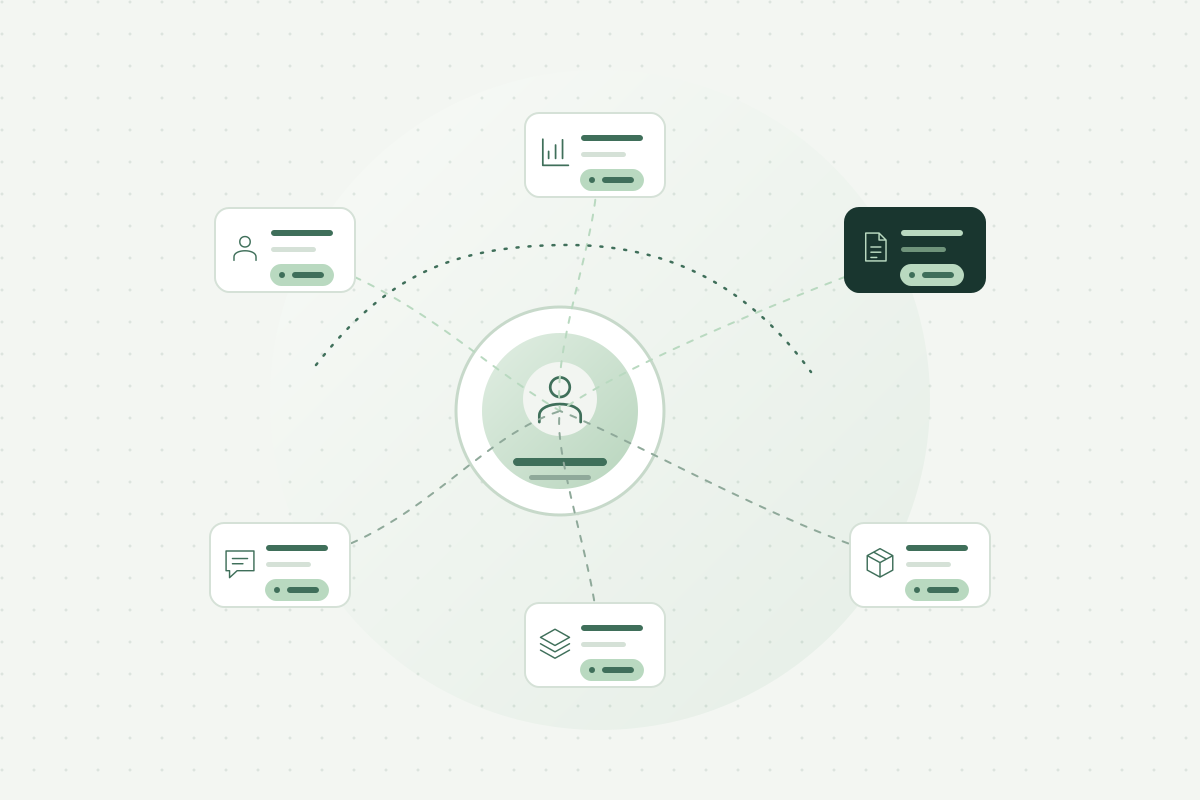
A CRM platform developed end to end by our team and used in daily sales operations. Customer, product, pricing, proposal, and order workflows are connected in one system.
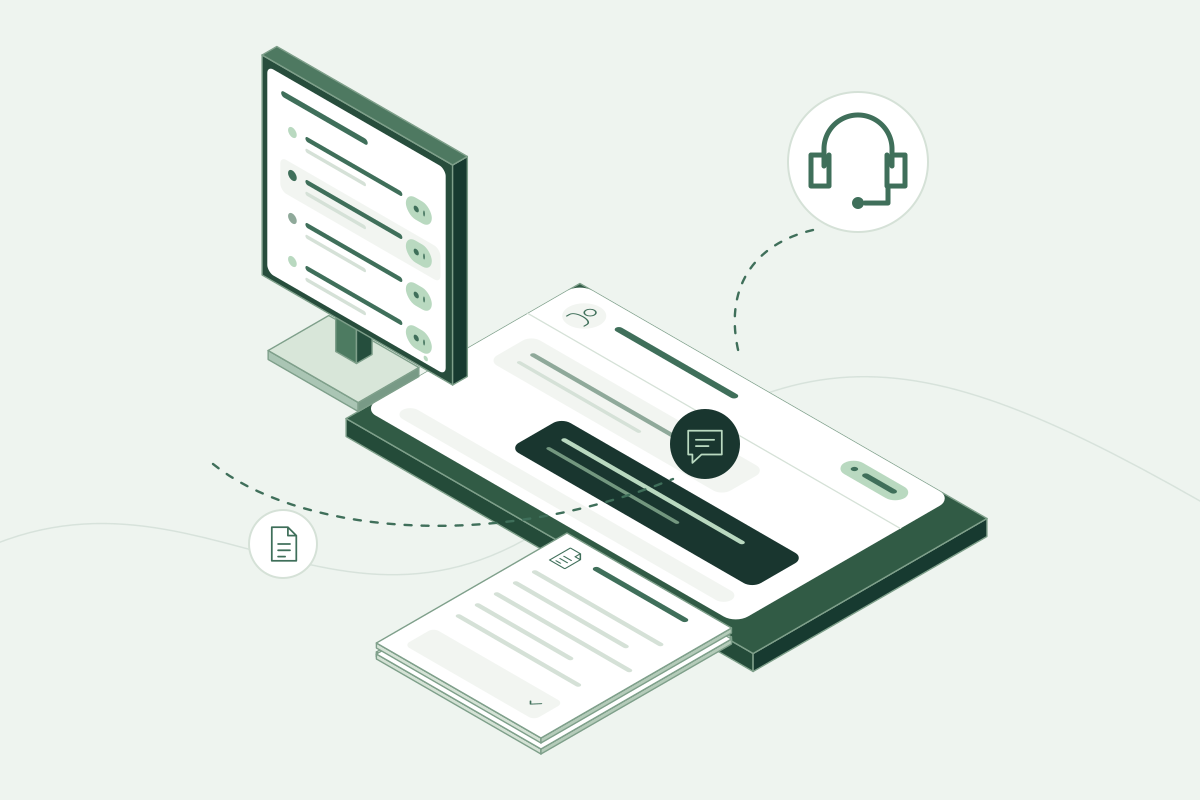
A platform developed end to end by our team and used in daily support operations. It brings support requests, live communication, and product knowledge into a shared portal.
Descriptions are generalized to illustrate our capabilities without identifying organizations or products.
We first assess the existing product's configuration and integration options. Extending it may be sufficient when those options cover your workflow. If product configuration, pricing, or approvals do not fit the underlying model, a custom module or CRM can be compared against the costs of scope, maintenance, and data migration.
Yes. We plan field mapping, cleansing, trial migrations, and validation after assessing the structure and quality of the source data.
Yes. Role-based access, records of critical actions, and approval controls are designed according to the security requirements of the solution.
User roles, sales stages, proposal and reporting rules, data migration, and ERP connections all affect scope. User count alone does not describe the development effort. We define the required modules and acceptance criteria first, with later phases planned separately where appropriate.
Describe how you manage customer information, proposals, and approvals today, and where your current tools get in the way.