
Customer applications
Focused mobile journeys for commerce, membership, bookings, applications, and self-service.
With one maintainable product approach, we build cross-platform mobile applications focused on user needs, connected to back-office systems, and ready to evolve.
Discuss your mobile projectA mobile product is more than a set of screens. We consider user context, connectivity, device capabilities, data security, and the operational tools needed to run the service.
Focused mobile journeys for commerce, membership, bookings, applications, and self-service.
Task, form, inspection, location, photo, and offline workflows for operational teams.
Controlled use of push notifications, camera, files, location, and relevant device capabilities.
Secure services, authorisation, and web-based operational tools that support the mobile experience.
Example workflow
An example workflow where a field team completes an inspection on a phone and the office follows the same record.
The user selects a work order, locates a record using a QR or barcode scan, and adds inspection results and required files.
If offline use is needed, the scope defines which data stays on the device and how it transfers when connectivity returns.
The administration portal shows records, missing information, and status. Notifications and reports follow the same workflow.
We define user scenarios and measurable product objectives, then validate journeys through prototypes. The priority release is expanded through real usage data and feedback.
Capturing field inspections with QR/barcode scans and distributing employee documents for approval involve different mobile contexts. These studies show how the mobile application connects to web administration.
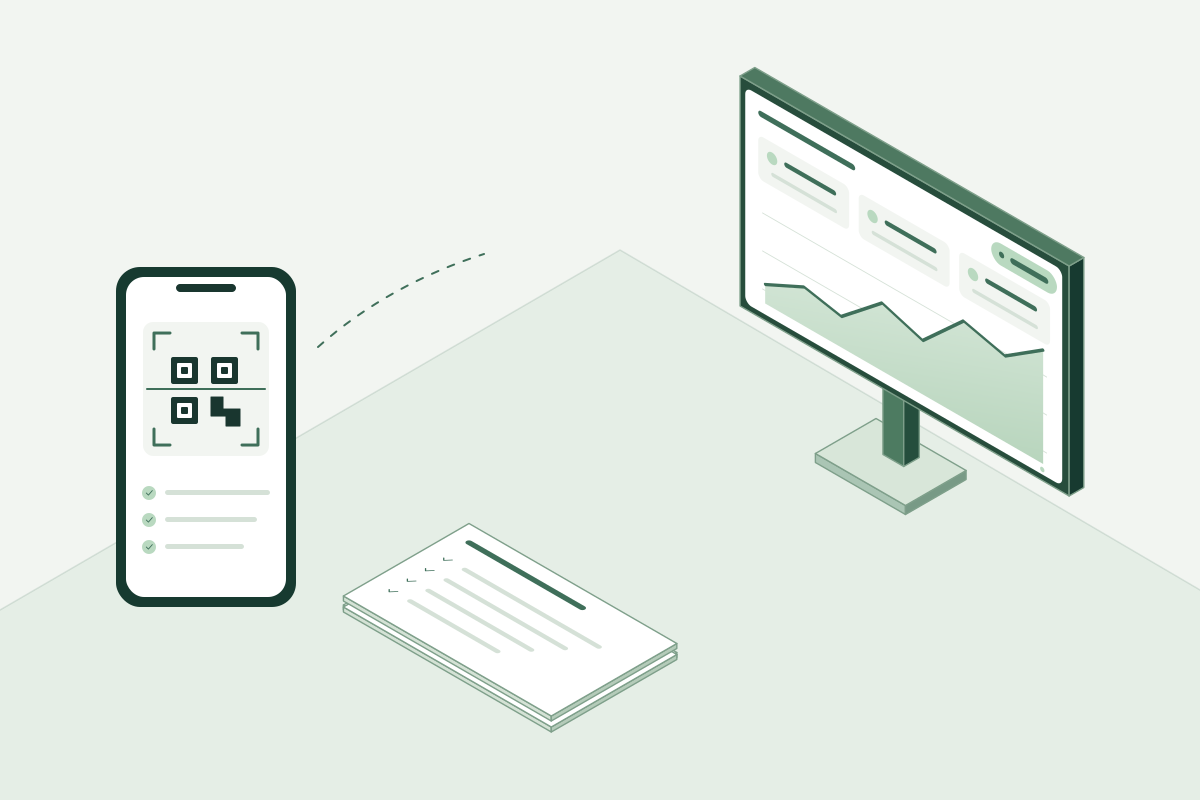
A system developed end to end by our team and used in daily field quality operations. It connects mobile inspection records and web reporting in a shared data flow.
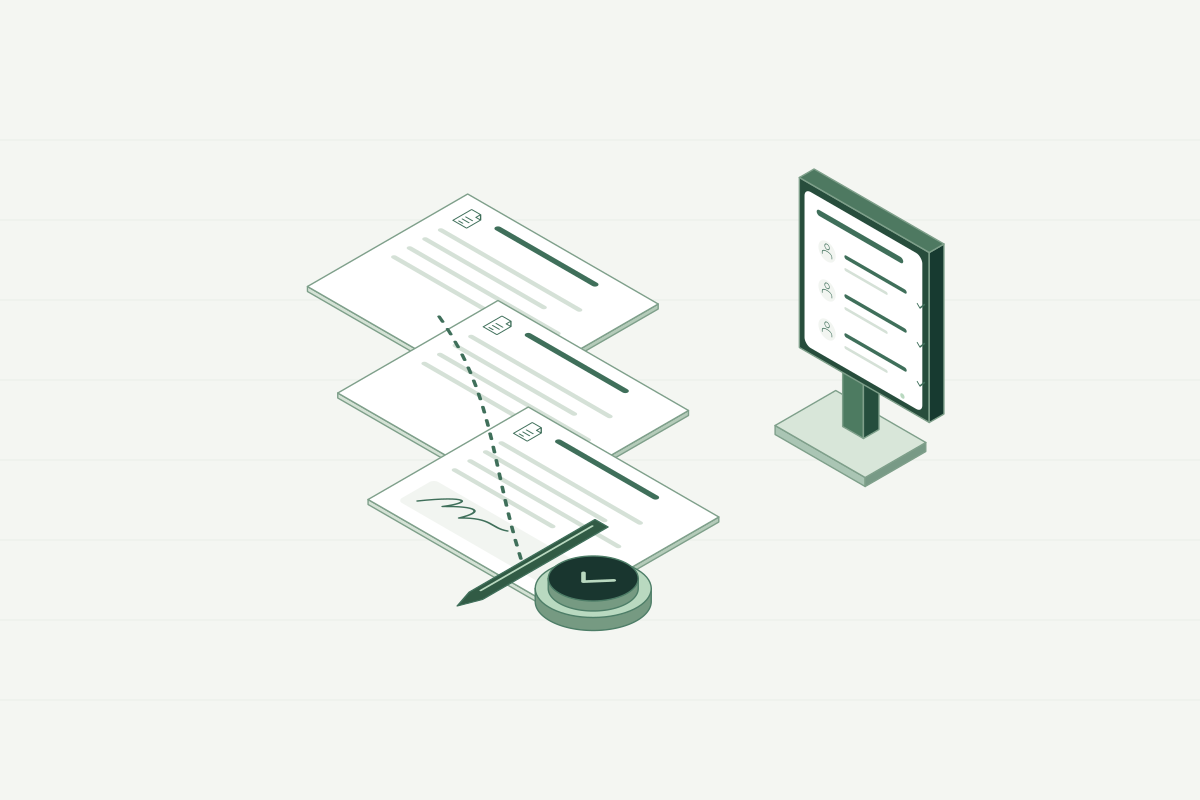
A mobile and web product developed end to end by our team as an MVP. It brings together personnel document distribution, viewing, digital approvals, and notifications.
Descriptions are generalized to illustrate our capabilities without identifying organizations or products.
A shared codebase simplifies development and maintenance while supporting a consistent experience across devices. We first confirm that it suits the project's device-feature and performance requirements.
Where the business case requires it, critical data can be stored safely on-device and synchronised when connectivity returns.
Yes. We assess existing APIs and security capabilities to integrate authentication, data exchange, and notification workflows in a controlled way.
Beyond screen count, scope depends on user roles, APIs and administration tools, integrations such as payments or maps, offline use, and device features. Design, testing, store release, and maintenance responsibilities are clarified before preparing a proposal for the first version.
Target platforms, test devices, store accounts, and release responsibilities are agreed at the start. A cross-platform approach still needs platform-specific permissions, device features, and testing to be considered. Post-launch fixes, operating system compatibility, and new features are scoped with their own working arrangements.
Tell us about the users, iOS and Android requirements, essential first-release tasks, and any existing API or administration portal.